July 14, 2025

NECCTON Video: The Future of Tuna – Managing Climate Risks and Sustaining Island Economies

New NECCTON Video: The Future of Tuna – Managing Climate Risks and Sustaining Island Economies
Watch the video here
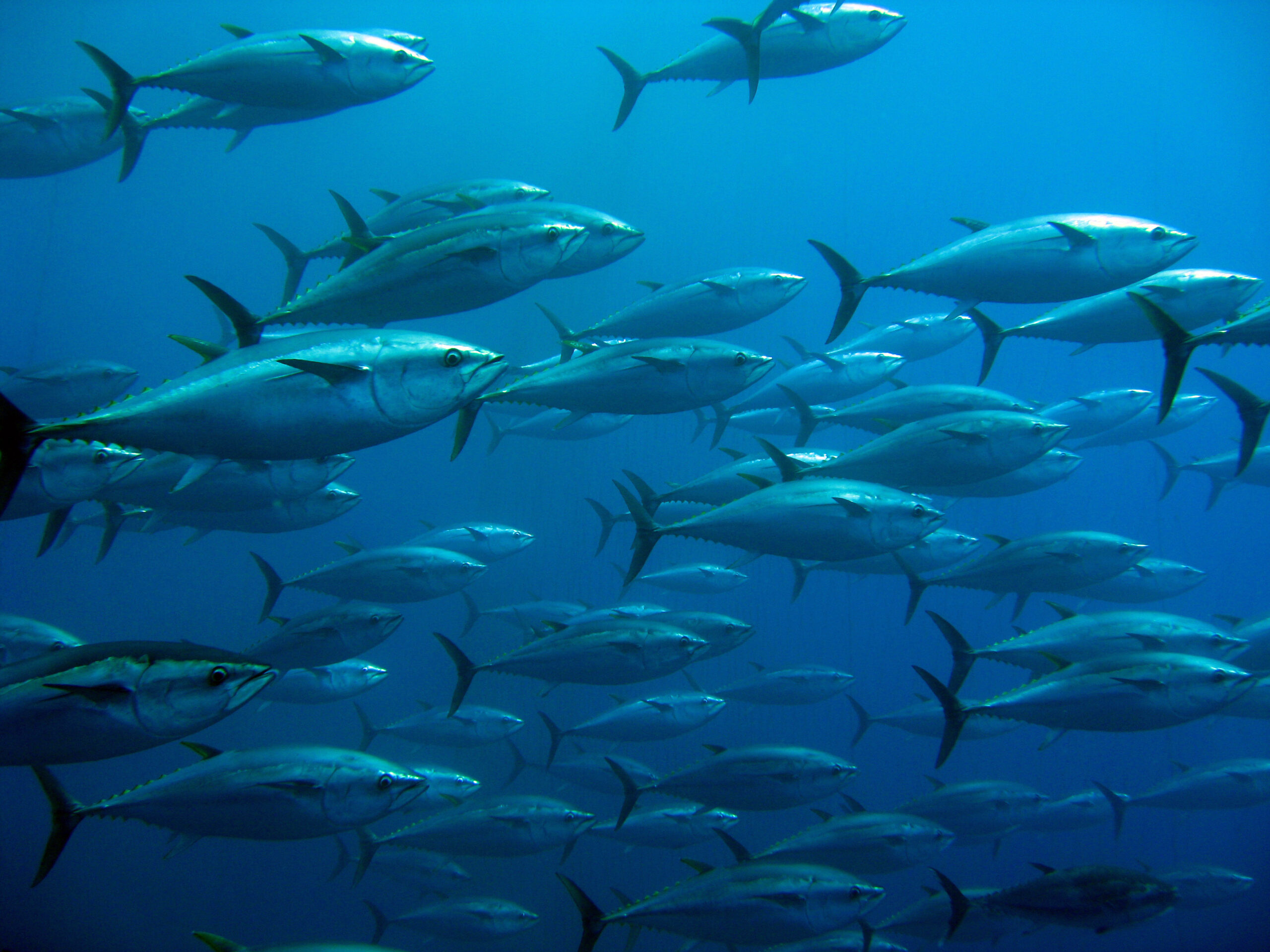
Tuna fisheries are essential for global food security and a cornerstone of economic livelihoods in many Pacific and Indian Ocean nations. However, climate change is reshaping ocean conditions and threatening the stability of tuna stocks—and the communities that depend on them.

In NECCTON’s second video, The Future of Tuna, we explore how cutting-edge modelling tools are being developed by Mercator Ocean International in collaboration with the Pacific Community (SPC), Conservation International, and other partners through the Our Common Ocean initiative and other EU-funded projects like OCEAN-ICU and EDITO.

These advanced models simulate how climate change and fishing pressures will impact tuna species distribution and abundance over the coming decades. They also allow researchers and policymakers to test future fishing scenarios, such as marine spatial closures and catch allocation strategies—crucial for sustainable fisheries management and economic resilience.

By combining decades of fisheries data with powerful ocean and climate models, this NECCTON application supports regional fisheries management organisations (RFMOs) and helps ensure that Small Island Developing States can adapt to future challenges while maintaining their vital tuna resources.

Want to learn more about the project?

NEWS AND PROJECT UPDATES

February 27, 2026|Project Update

NECCTON Co-Organises Marine Ecosystem Modelling Session at OSM26

At the Ocean Sciences Meeting 2026 in Glasgow (22–27 February 2026), NECCTON co-organised the session “Advancing Marine Ecosystem Modeling for a Predictable and Sustainable Ocean” together with OceanPredict’s Marine Ecosystem Analysis and Prediction Task Team. ...

Learn more
October 20, 2025|News

Mapping 25 Years of Micronekton Dynamics Across Changing Ocean Provinces

This study defines environmentally similar “provinces” to map and track changes in micronekton biomass and vertical structure from 1998 to 2023, shedding light on the seasonal and year‑to‑year variability of these key mid‑sized ocean organisms that drive deep‑sea carbon export and feed many marine predators....

Learn more